
Find print-on-demand suppliers, tools and guides
Search and compare your options, then choose what fits your POD business.
Already featured on 15+ launch and discovery platforms
From Reddit and Product Hunt to niche startup directories - PrintOnDemandBusiness.com is gaining traction with entrepreneurs, store owners, and indie hackers.


Featured Suppliers


Featured
Simple Print
Santa Ana, United States
17 products · 4 integrations
- Produces in
- United States
- Ships to
- Worldwide
GlobalT-ShirtsHoodiesApparelDrinkware


Featured
Gelato
Oslo, Norway
30 products · 9 integrations
- Produces in
- Australia, Canada, Germany +28 more
- Ships to
- Worldwide
GlobalT-ShirtsHoodiesApparelDrinkware

Featured
Pic The Gift
St. Louis, MO
49 products · 6 integrations
- Produces in
- United States
- Ships to
- Worldwide
ApparelDrinkwareWall ArtAccessoriesHome & Living


Featured
PrintDropper
Pittsburgh, United States
9 products · 20 integrations
- Produces in
- United States
- Ships to
- Worldwide
GlobalWall ArtHome & LivingGiftsFast Ship
Latest Research & Articles
28 Oct 2026
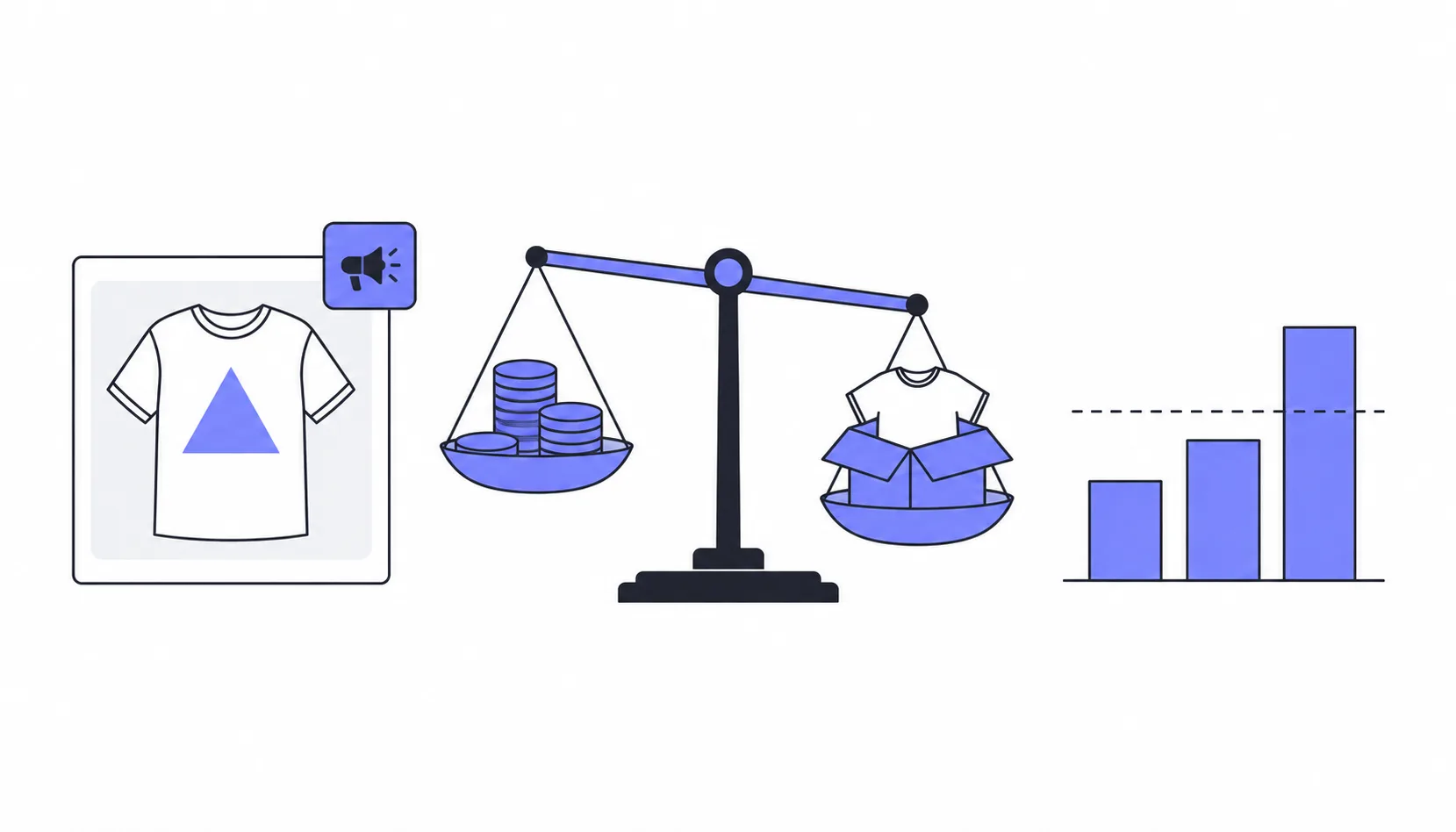
Are Etsy Ads Worth It for Print-on-Demand? Break-Even ROAS, TACoS and When to Stop Advertising a Listing
11 Jul 2026
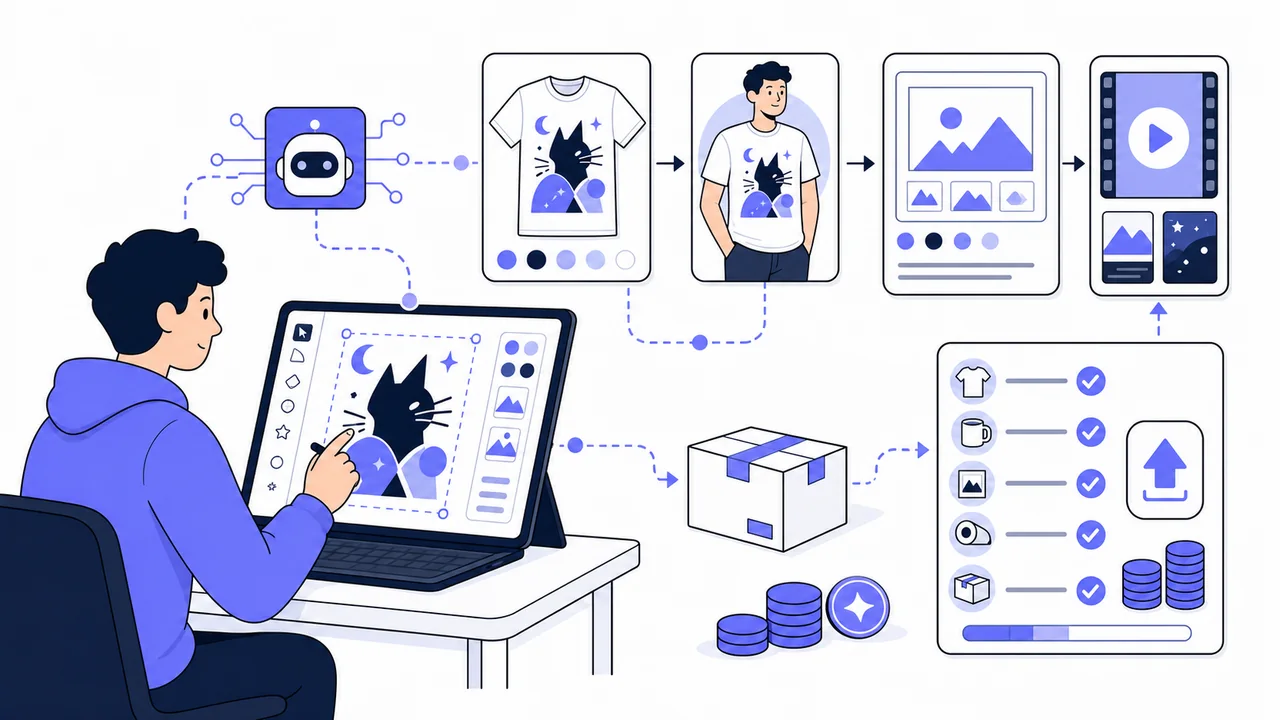
I Tested Kittl Agentic AI for Print-on-Demand Sellers
Supplier comparison•7 Jul 2026
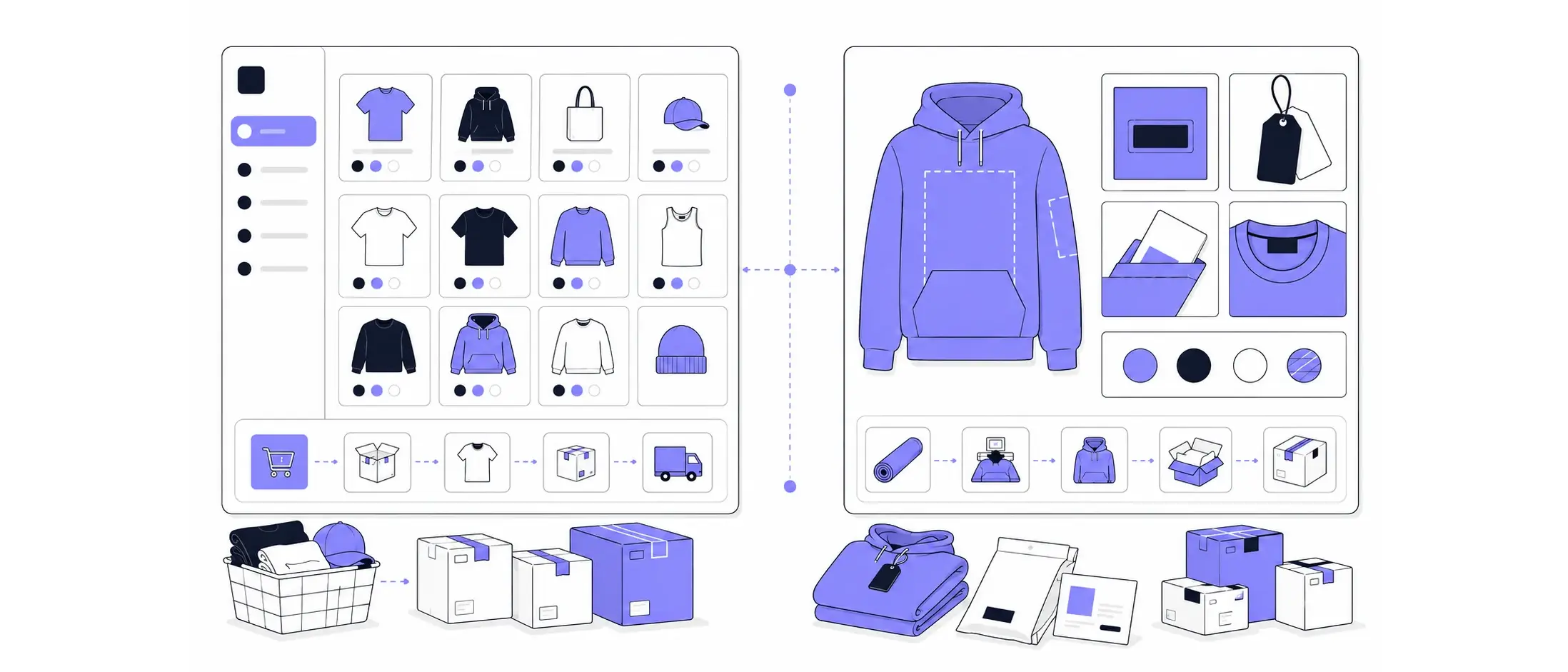
PODpartner vs Printful: Which POD Supplier Is Better for Apparel Brands?
Selling Guides•15 Jun 2026
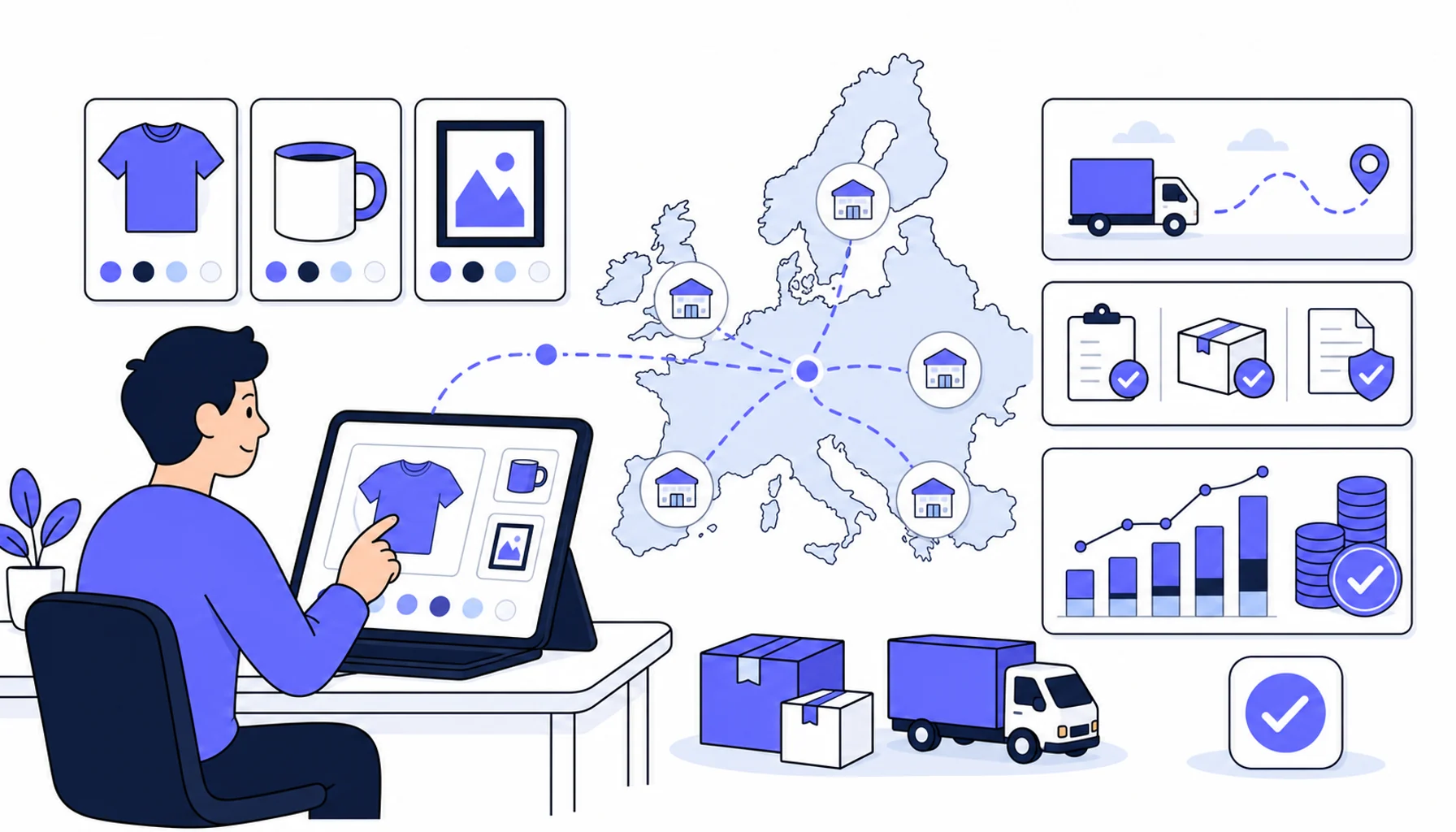
Selling POD in Europe with Gelato: Local Fulfillment, VAT, Shipping & Margin Risks
Frequently Asked Questions
Get answers to common questions
Print-on-demand is a way to sell custom products without buying stock. You provide the designs, and a supplier prints each item only after a customer orders it, then ships it. Our beginner's guide explains the model in detail.
A customer orders from your store or marketplace listing, the order goes to your supplier, and the supplier prints, packs and ships the product. You don't pay for stock upfront, but you handle the designs, listings, prices, marketing and customer service, and you have less control over production and delivery. Our print-on-demand business guide explains the business model.
Choose a niche and a few products, then decide where to sell. A marketplace such as Etsy brings existing buyers; your own store, for example on Shopify, gives you more control, but you have to bring in visitors yourself. Then connect a supplier, order samples and set prices that cover all your costs. See our comparison of print-on-demand sites and our Shopify store guide.
There is no stock to buy, but starting is not free. You pay for samples, and for every order you pay the supplier for the product, printing and shipping. On top come marketplace or store fees, payment fees and, if you use them, paid apps, design tools and ads. Some suppliers also offer paid plans that lower product prices.
It can be, but profit is not guaranteed. You keep the sale price minus product, printing, shipping, platform and payment fees, returns and marketing, and with low prices or a lot of advertising little may be left. Our $100 example shows where the money from a sale goes.
Common choices are T-shirts, hoodies, mugs, posters, phone cases, tote bags and stickers, and many suppliers offer more, such as wall art or jewelry. What you can sell depends on the supplier. Our supplier directory lets you filter suppliers by product.
Check that the supplier makes your products, produces close to your customers and connects to your store or marketplace. Compare the total price including shipping and, if you need them, branding options such as your own labels or packaging. Order samples first, because quality varies by supplier and product. Our guide to choosing a supplier and the supplier directory help you compare.
It depends on the supplier, the product, where it is made and where it goes. Production and shipping are separate steps: check the supplier's current production time and the shipping estimate for your customers' country, and allow extra time in busy seasons. Suppliers that produce close to your customers usually deliver faster; the supplier directory shows where each one produces and ships.